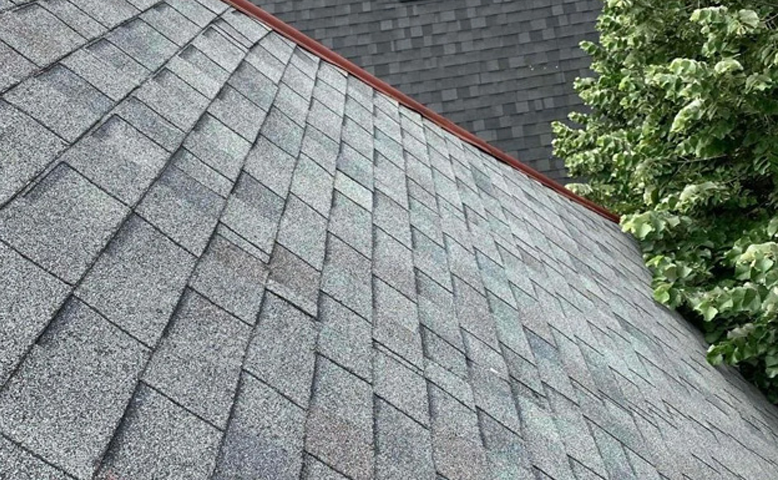
So, you need to fix your roof. There might be a few shingles missing. After that last big storm, maybe water got in. No matter what the cause, you did the right thing by getting many quotations before giving your hard-earned money to the first roofer that came to your door.
But here’s the thing: getting more than one quotation is only half the battle. The other part is knowing what to look for in such quotes. Because not all roofing bids are the same. Some contractors are honest, have a lot of experience, and really want to perform a good job. Some people, to be honest, aren’t.
Some of the most costly roofing blunders people make don’t happen because they didn’t acquire quotations; they happen because they didn’t know how to understand the warning signs that were hidden in them.
So let’s go over the most important warning signs to look out for, the ones that can help you avoid a very expensive problem in the future.
When A Roofing Quote Is Dangerously Cheap
Yes, everyone loves saving money. But when one roofing quote comes in dramatically lower than all the others, that’s your first reason to pause.
A price that’s too good to be true usually means one of a few things:
- The contractor plans to use cheaper, lower-quality materials
- They’re cutting corners on labor or skipping key installation steps
- They’re leaving out important line items that will show up as “extras” later
- They lack the proper insurance, which ultimately puts you at financial risk
A fair roofing price reflects real costs, i.e., materials, skilled labor, proper disposal of old materials, permits where needed, and insurance coverage. When someone drastically undercuts everyone else, something in that equation is missing. And you’ll likely find out what it is after the job is done and the problems start showing up.
The Quote Is Vague and Doesn’t Spell Out the Details
A trustworthy roofing quote is specific. It lists everything: the type of materials being used, the brand, the thickness, the warranty details, the number of layers being removed, the timeline, and the total cost broken down clearly.
A vague quote that just says “roof replacement for $8,000” tells you almost nothing. Specifically, watch out when:
- There’s no mention of what roofing materials are being used
- The labor costs aren’t separated from the material costs
- There’s no mention of underlayment, flashing, or ventilation work
- There’s no cleanup or disposal plan listed
- The warranty terms are missing or unclear
When details are left out of a quote, those gaps get filled in however the contractor decides, not necessarily in your favor. A detailed, itemized quote protects you just as much as it reflects the roofer’s confidence in their own work.
They Want a Large Upfront Payment
Asking for a small deposit upfront (typically 10 to 20 percent) is reasonable and normal. It helps cover initial material costs. However, if a contractor asks for 50 percent or more before a single shingle has been touched, that’s a serious warning sign.
Unfortunately, some contractors use large upfront payments to fund other jobs, disappear after partial work, or simply walk away entirely. This happens more often than people realize, especially after major storms when demand for roofers spikes and opportunistic contractors flood the market.
A reliable roofer works on a structured payment schedule tied to project milestones, not one big lump sum upfront.
There’s No Mention of Permits
Depending on the scope of your roofing project, a permit may be legally required in your area. A contractor who dismisses the need for permits or actively discourages you from getting them is a contractor you should be cautious about.
Permits exist for a reason. They ensure the work is inspected and meets local building codes. Skipping permits might save a little time and money in the short term, but it can:
- Create problems when you try to sell your home
- Void your homeowner’s insurance in certain situations
- Leave you personally liable if something goes wrong
- Result in fines or required tear-down of non-compliant work
Always ask directly: “Will you be pulling the necessary permits for this job?” The answer tells you a lot.
No Proof of Insurance
This one is non-negotiable. Every roofing contractor working on your home should carry two types of insurance: general liability insurance and workers’ compensation insurance.
General liability covers damage to your property. Workers’ comp covers injuries to the workers while on your property. Without both, you could be held financially responsible if something goes wrong.
Before any work begins, ask for proof of insurance and verify it directly with the insurance provider. Don’t just take a contractor’s word for it. A trustworthy roofer will have no problem providing this documentation and won’t hesitate when you ask.
High-Pressure Roofing Sales Tactics
A roofer who pushes you to sign a contract on the spot, especially by saying the “deal expires today,” is using a classic pressure sales tactic. A good contractor understands that a roof replacement is a major financial decision and gives you the time to think it over, compare quotes, and ask follow-up questions.
High-pressure urgency is often designed to stop you from doing exactly what you should be doing: comparing options, reading the fine print, and checking their references.
Take your time. A legitimate roofer will still be available tomorrow.
Roofing Contractors With No Reviews Or Proof
In today’s world, a roofing company that has no reviews, no website, no social media presence, and cannot offer references is a company you know very little about. And knowing very little about someone you’re trusting with your home is a risky position to be in.
Before signing anything, take 15 minutes to:
- Search their company name online
- Read reviews on Google, Yelp, or the Better Business Bureau
- Ask for two or three references from previous customers
- Check if they have any complaints filed against them
A contractor with a solid track record will be proud to show you that record. They’ll hand over references without hesitation and point you to their satisfied customers.
Signing Away Roofing Insurance Benefits
If you’re filing a roof claim through your homeowner’s insurance, be very careful about contractors who ask you to sign something called an “Assignment of Benefits” (AOB) agreement.
This document essentially transfers your insurance rights over to the contractor, giving them the authority to deal directly with your insurance company, sometimes without your involvement or approval. While it might sound convenient, it can lead to inflated claims, disputes, and a situation where you lose control over your own repair process.
Always read everything before signing. If something isn’t clear, ask a trusted advisor before putting your name on it.
They Can’t Explain the Warranty Clearly
There are typically two warranties tied to a roofing job: the manufacturer’s warranty on materials and the contractor’s warranty on labor. Both matter, and both should be explained clearly before you agree to anything.
Be cautious if a contractor:
- Can’t clearly explain what the warranty covers
- Offers an unusually short labor warranty (less than 1-2 years is a warning sign)
- Doesn’t register the manufacturer’s warranty in your name
- Leaves warranty terms out of the written contract entirely
A solid warranty is a sign of confidence. A contractor who stands behind their work has no reason to make the warranty terms confusing or difficult to understand.
Key Takeaways Before You Sign Any Roofing Quote
As a homeowner, one of the best things you can do is get numerous quotations for roofing work. It offers you power, knowledge, and the opportunity to compare. But the actual advantage of getting a lot of quotes is knowing how to compare them. You need to look at more than just the price; you also need to look at the specifics, the conditions, the professionalism, and the trust factors behind each one.
The red flags above are not meant to terrify you. They are supposed to give you the correct information so you can make a smart choice. Your roof is one of the most crucial parts of your home that protects it, so you should hire a contractor who treats it that way.
If you’re getting quotations right now, you should add Bonfe Builders to your list of contractors. They make sure that every project is open, straightforward, and accountable, which is exactly what you need when something as vital as your roof is at stake. Before the first nail goes in, get in touch, ask questions, compare carefully, and pick someone you can trust.